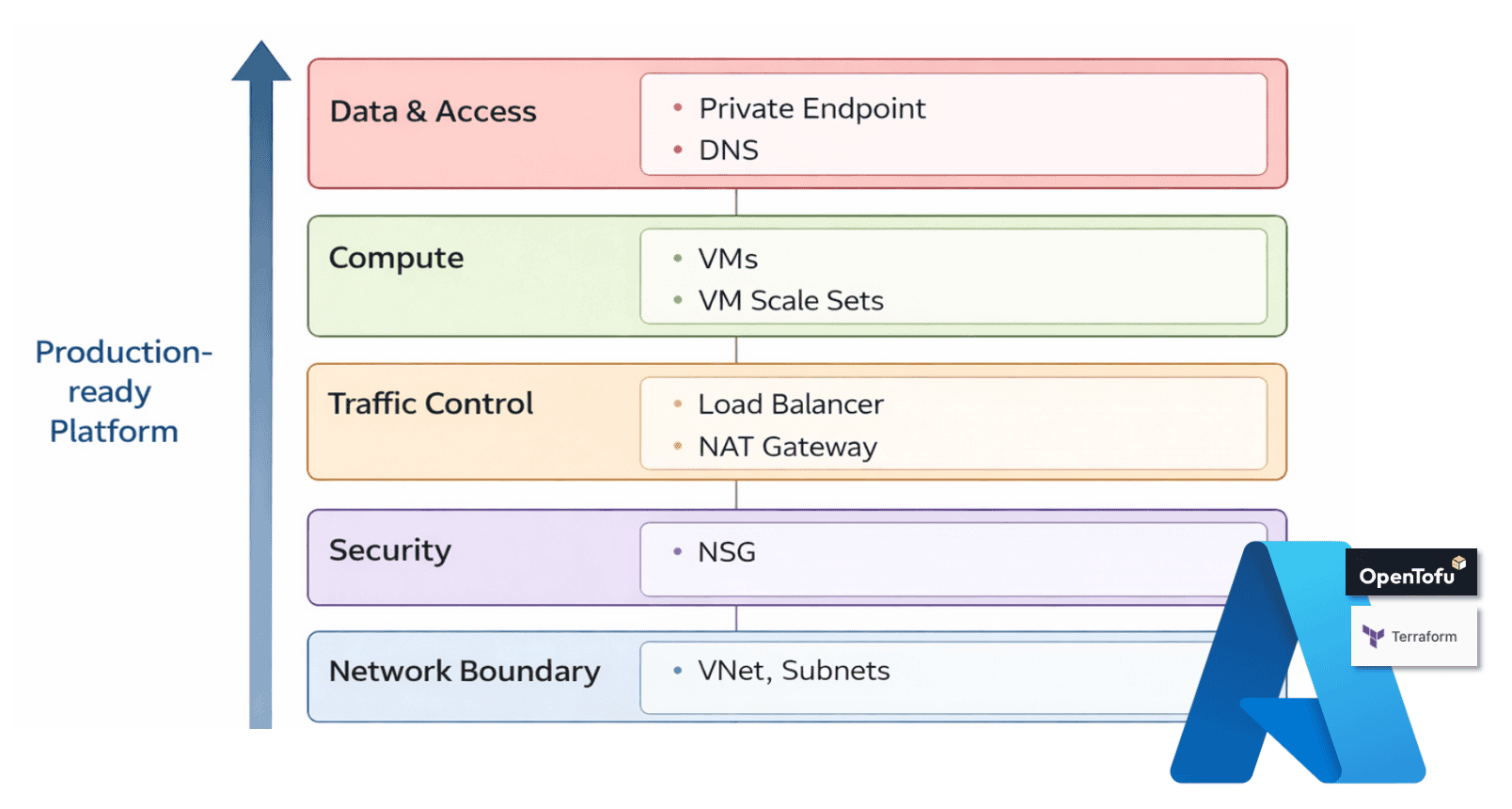
Azure infrastructure Terraform is often presented as a set of individual resources — but real platforms are built as connected architectural layers. When engineers start working with Azure and Terraform, most examples focus on individual resources. A Virtual Network here. A VM there. Maybe a Load Balancer on top. But …
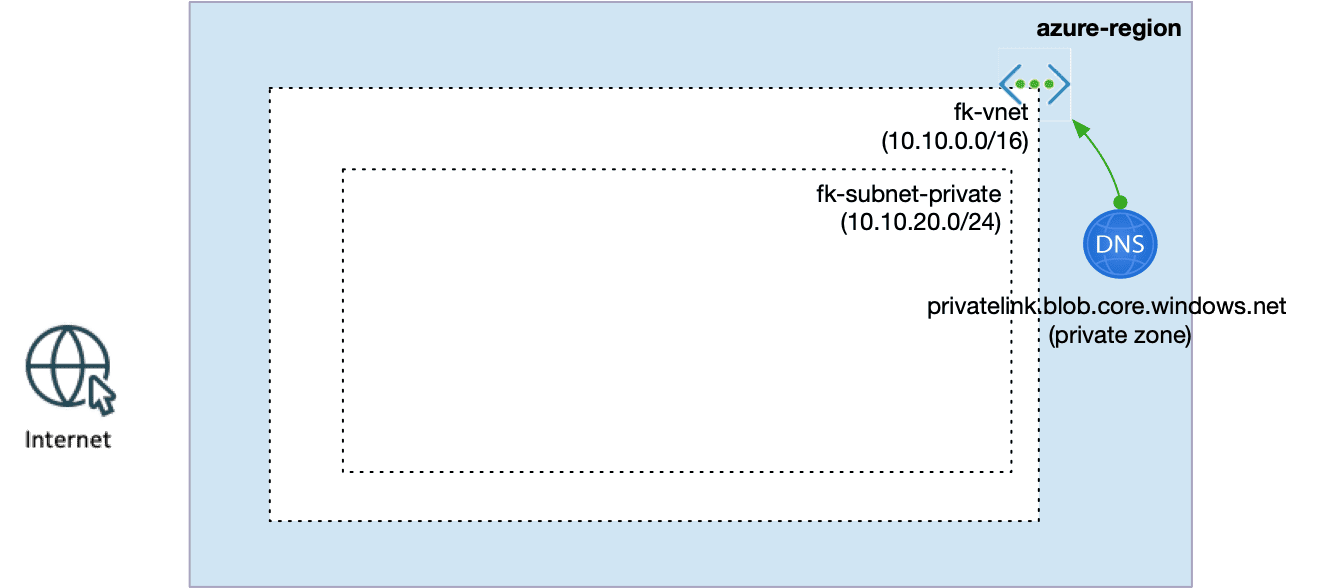
In this guide we explore how to deploy Azure Private DNS Terraform and why it forms the architectural foundation behind Private Endpoints and private platform services. When engineers start working with private networking in Azure, they usually begin with Private Endpoints. They deploy a storage account, create a private endpoint, …
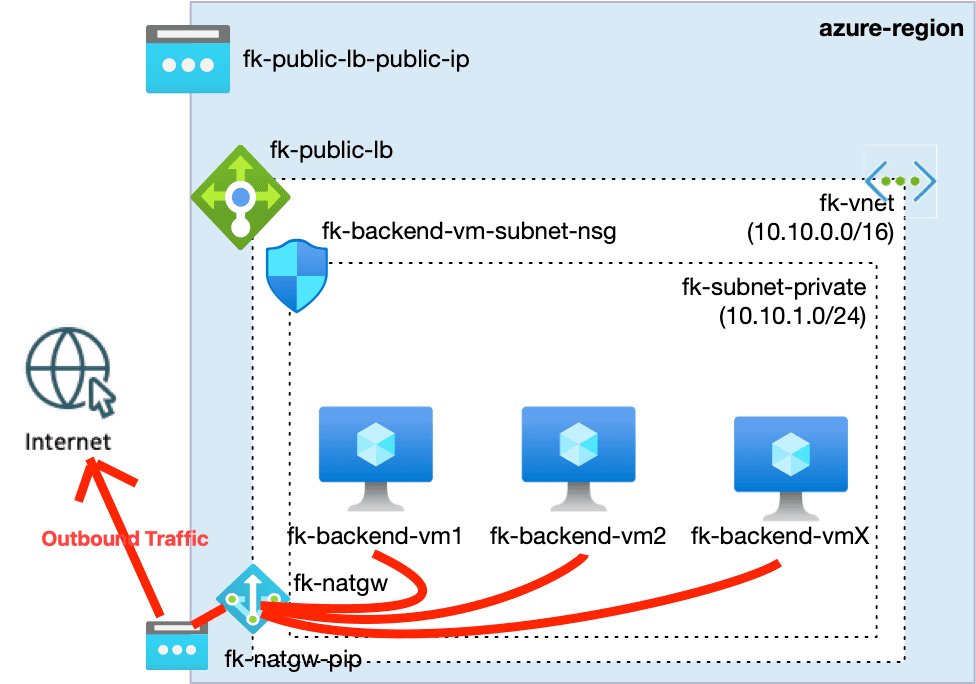
Private workloads still need the internet.Not for exposure — but for controlled, auditable outbound traffic. In Azure, outbound connectivity is often treated as an afterthought — yet Azure NAT Gateway Terraform provides a clean, architecture-grade way to design outbound identity for private subnets. In production platforms, the real architectural question …
Azure NSG design patterns are not about opening ports — they are about defining security boundaries in your network architecture. 🔵 Azure NSG vs Firewall — What’s the Difference? (Terraform Example) module “compute” { source = “github.com/foggykitchen/terraform-az-fk-compute” attach_nsg_to_nic = true nsg_id = module.nsg.id } module “private_subnet_nsg” { source = “github.com/foggykitchen/terraform-az-fk-nsg” …
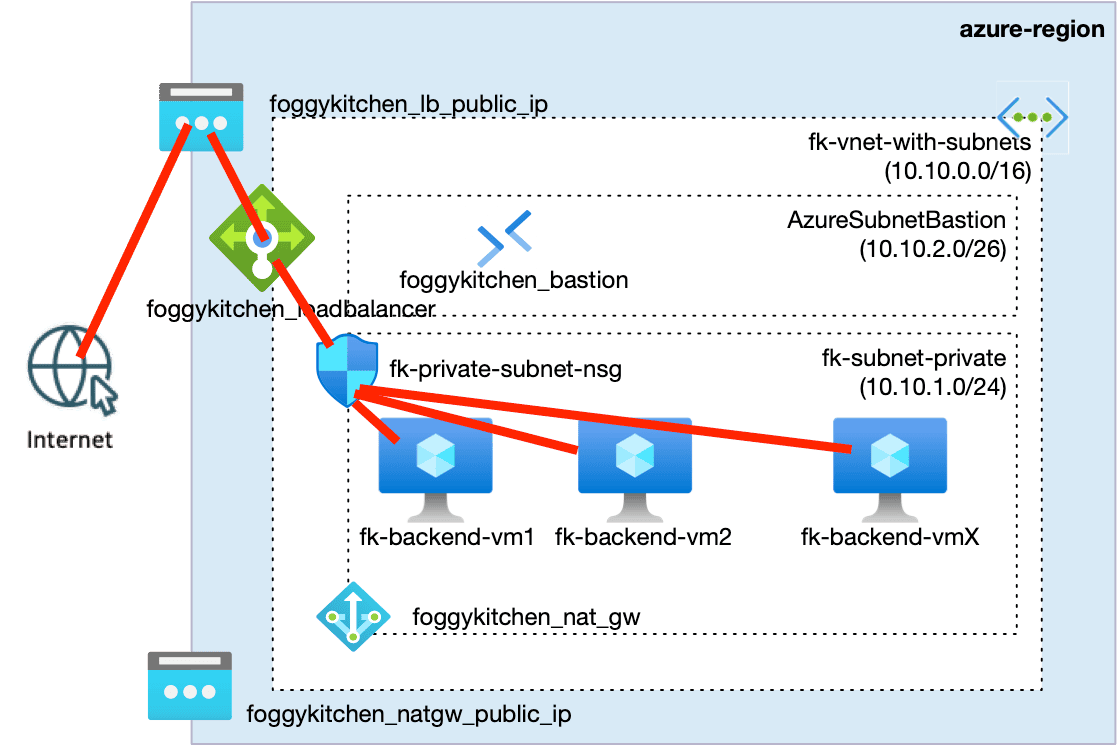
Using a Terraform Azure Load Balancer Module as a Clean Baseline This article shows how to use a Terraform Azure Load Balancer module to define an explicit traffic contract between the public edge and independently managed backend virtual machines. Azure Load Balancer is often introduced too late in the infrastructure …
Azure Managed Disks Terraform allow you to design Virtual Machine persistence explicitly, using independent data disks, predictable LUN mapping, and clean lifecycle separation. When you deploy a single Azure Virtual Machine with one disk, storage feels trivial. The moment you attach a second disk, Azure stops being “just a VM” …
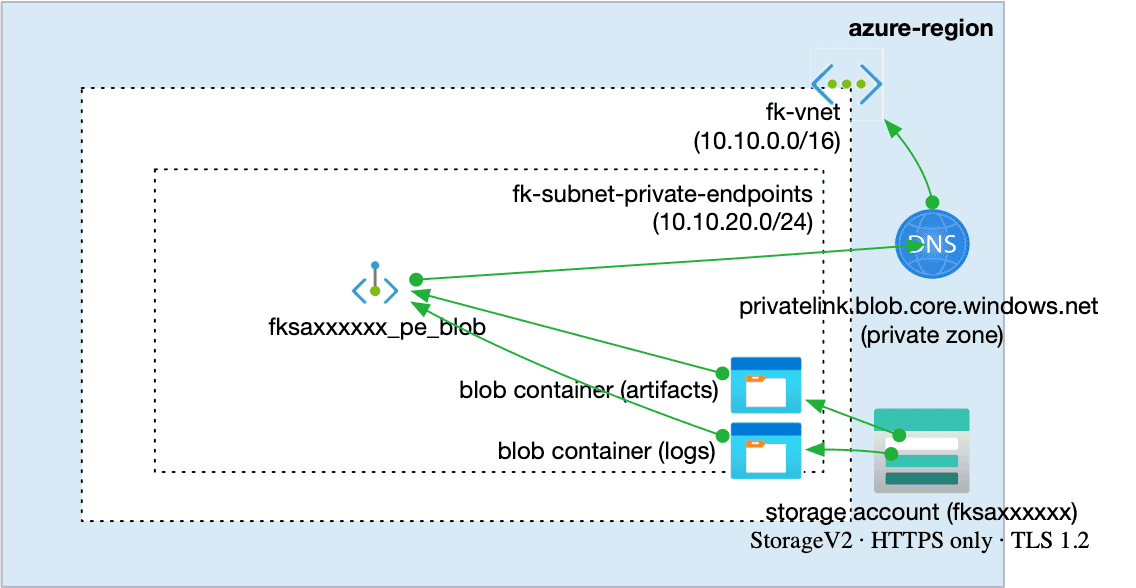
Azure Blob Private Endpoint Terraform is often treated as a public service by default. 🔵 Terraform Azure Private Endpoint Example (Module-Based) This is a minimal working example of Azure Blob Storage exposed via a Private Endpoint using FoggyKitchen Terraform modules: – Private Endpoint for Blob (module-based) – Private DNS integration …
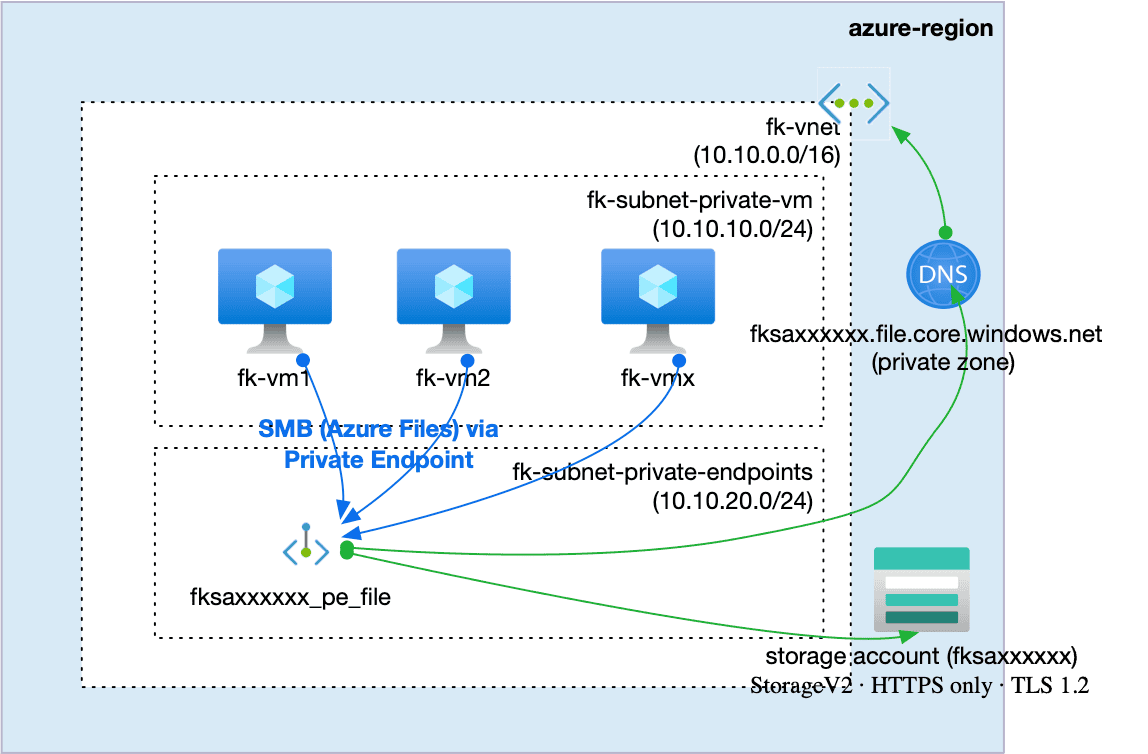
Azure Files Private Endpoint Terraform example using reusable modules. 🔵 Terraform Azure Private Endpoint Example (Module-Based) This is a minimal working example of Azure Private Endpointusing the FoggyKitchen Terraform modules: – Private Endpoint for Azure Files (module-based)– Private DNS integration– Access from private VM inside a VNet This example uses …
In this post, we configure Azure VMSS autoscaling Terraform to scale private compute without exposing VMs to the internet. Running workloads on individual Azure VMs is straightforward — but production teams rarely stop there.Once your application grows, you need more than one VM, and you need them to scale without …
Running Azure private VM Terraform looks simple — until you need to make them reachable for users without exposing public IPs. In this post, we build a production-ready foundation using a Load Balancer for application traffic and Bastion for secure SSH access. The first decisions around networking and access control …